
Define the market and device
Start with the commercial use case. The same flavor profile can need different nicotine, viscosity, pack, or document planning when the device, buyer group, and destination change.
Destination and route to market
List each intended country or region, whether the product is for retail, wholesale, online sale, or a closed distribution network, and the planned launch timing. Ask the manufacturer to confirm which destination-specific information, testing, labeling review, or notifications may be relevant to the exact product and order; requirements can differ by market and change over time.
Device and product format
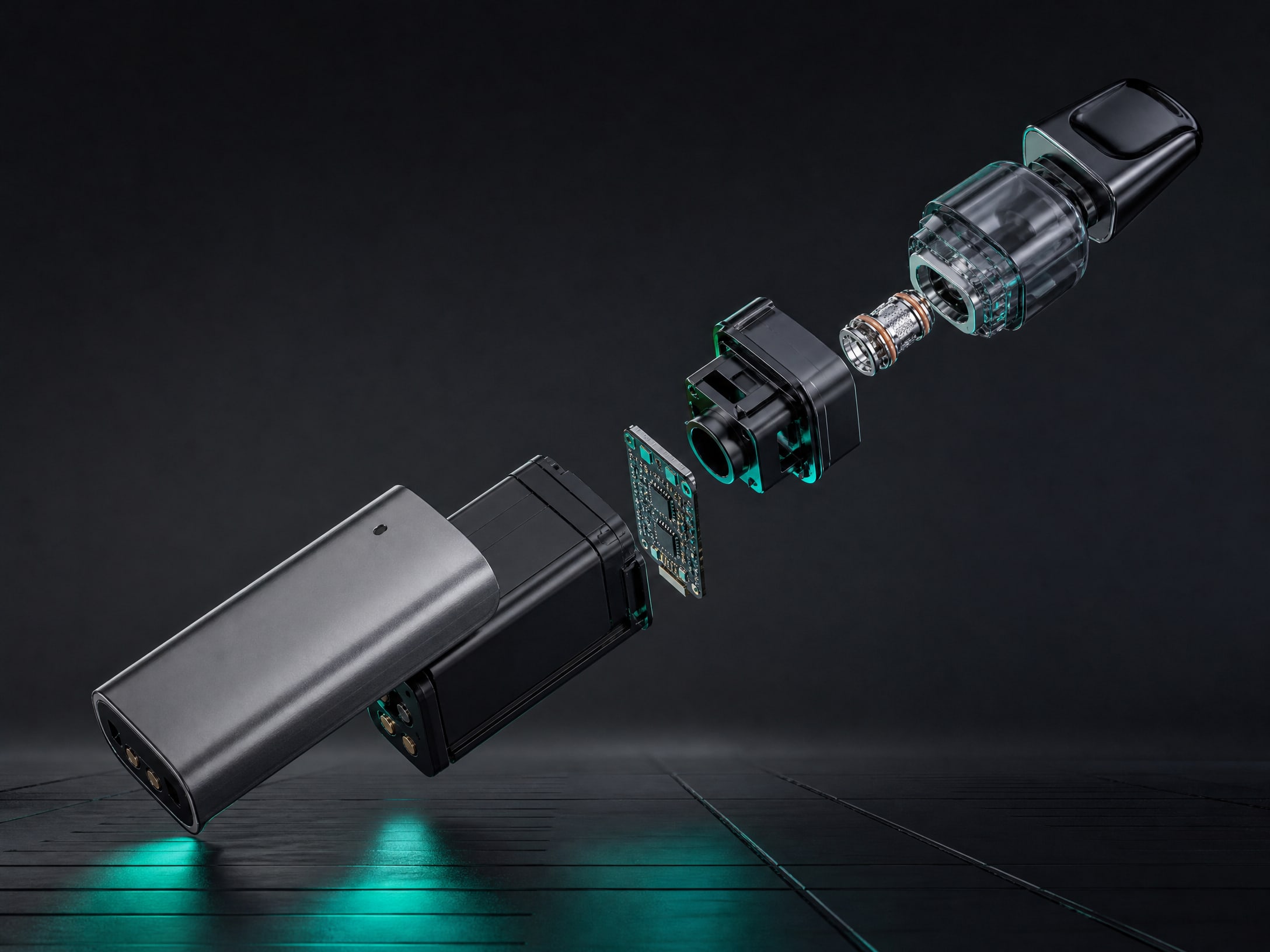
Name the device type: refillable pod, tank, disposable-compatible system, or another platform. Include coil resistance or recommended power range if known, plus whether the liquid is freebase, nicotine salt, shortfill, or nicotine-free. Viscosity and flavor intensity should be matched to the intended hardware.
Target buyer and price position
Describe the intended user preference in practical terms: entry-level, mainstream, premium, high-strength, low-strength, or nicotine-free. Provide the target wholesale or shelf-price band if it is available. This helps balance ingredient choices, bottle format, decoration, and minimum order quantity.
Specify the formula and sensory target
Do not rely on a flavor name alone. Give the factory measurable ranges and a simple description of what the finished liquid should taste and feel like.
Nicotine system and strength
State freebase or nicotine salt, the requested strength in mg/mL or %, and every strength variant required. Identify the nicotine source preference only when it is important to your specification. If several markets are planned, separate the strength matrix by destination rather than assuming one version suits all.
VG/PG ratio and viscosity
Give the target ratio or an acceptable range, such as 50/50 or 70/30, and note whether the formula must work in a particular pod or tank. A wider range can improve formulation options, but it should not conflict with the filling process or device performance expected by your customers.
Flavor direction
Describe the flavor family, key notes, sweetness level, cooling level, and any notes to avoid. For example: ripe mango with light peach, medium sweetness, no ice, clean finish, and no candy or floral note. Supply benchmark products or retained samples where permitted, but identify them as references rather than a request to copy.
Sensory acceptance criteria
Set the approval language in advance: aroma on opening, first inhale, exhale character, throat sensation, cooling, sweetness, aftertaste, and color expectation. Distinguish must-have points from preferences. Ask for blind-coded samples if you want the internal team to judge them without bias.
Plan samples and product records
Agree on decision makers, change limits, and required records before development begins.
Sample-round plan
State how many development rounds you expect, the quantity per variant, who will approve them, and the feedback deadline. For each round, record the sample code, formula version, fill date, reviewer comments, and approved or rejected status. Consolidate feedback from your team into one response.
Change control
Specify which changes require your written approval, such as nicotine strength, flavor concentrate, VG/PG ratio, bottle, cap, label text, or carton artwork. Once a sample is signed off, keep a dated approval record and define how any later material or artwork change will be communicated.
Product and shipment records
Request the documents and batch information relevant to the product, order, and destination, such as a specification sheet, batch or lot reference, ingredient or safety information where applicable, and packing details. Confirm their format, language, and timing with the manufacturer and, where needed, your local compliance adviser or importer.
Set the fill, pack, and order plan
Include filling, presentation, packing, and replenishment requirements in the commercial brief, not just formula costs.
Filling format
State bottle material, nominal fill volume, bottle shape, cap type, nozzle, tamper feature, and whether you need a retail-ready unit, bulk bottle, or drum supply. Include any tolerance, labeling area, and packing orientation requirements that affect filling or transport.
Packaging and artwork
List the unit label, carton, shrink wrap, display box, master carton, barcode, language versions, and required warnings or symbols for the intended destination. Supply editable artwork files, color references, dielines if available, and a clear approval owner. Artwork should be reviewed for the exact market before production.
Commercial quantities and forecast
Provide the trial quantity, first production order, mix by SKU and nicotine strength, and a rolling forecast for the next three to six months if available. Ask for minimum order quantities by formula, bottle, printed component, and packaging level, because these may not be the same.
Quote basis and delivery
Ask for a quote that separates formula, filling, packaging, development, testing or documentation if applicable, and logistics assumptions. State the desired Incoterm, delivery location, preferred shipment mode, production lead-time expectation, and whether split deliveries are acceptable.