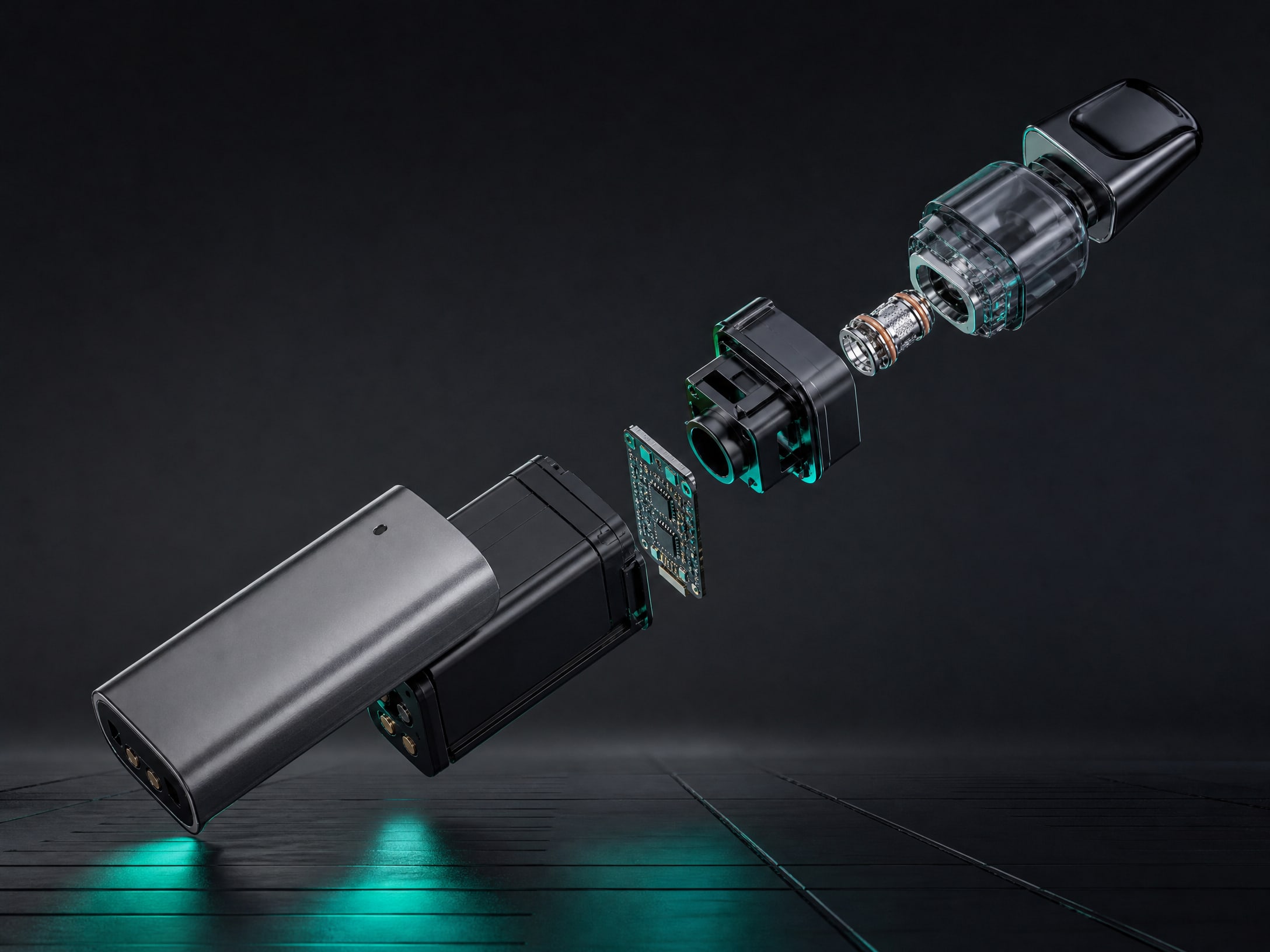
Choose the Pod Format First
Closed and refillable platforms create different supply, quality-control, and user-experience requirements. Define the commercial model before selecting details such as coil resistance or artwork.
Closed pod platforms
A closed pod is normally filled and sealed before it reaches the user. It can simplify liquid control and replacement purchasing, but the buyer needs a dependable supply plan for the exact approved pod version. Check pod capacity, filling method, seal construction, and how the user identifies the correct replacement.
Refillable pod platforms
A refillable pod lets the user add liquid through a fill port. Inspect the port position, plug retention, fill opening size, and whether filling can be done without removing the pod. The design must suit the intended liquid range and realistic refilling habits, not only a clean bench test.
Platform ownership and changes
Confirm whether the device accepts only the nominated pod family or can also accept other variants. Record the approved pod code, material, coil option, color, and revision level. A small design change can alter fit, flavor delivery, or packing, so replacements should match the approved configuration.
Verify Fit, Coil, and Liquid Compatibility
A cartridge that clicks into a battery is not automatically a compatible system. Mechanical fit, electrical contact, wicking behavior, and liquid formulation must work together.
Cartridge fit and contacts
Check insertion force, magnetic or latch retention, pod height, contact pin position, and movement after repeated insertions. Test several device and pod samples from the intended production configuration. Confirm that the pod makes consistent contact and is not loose during normal handling.
Coil specification
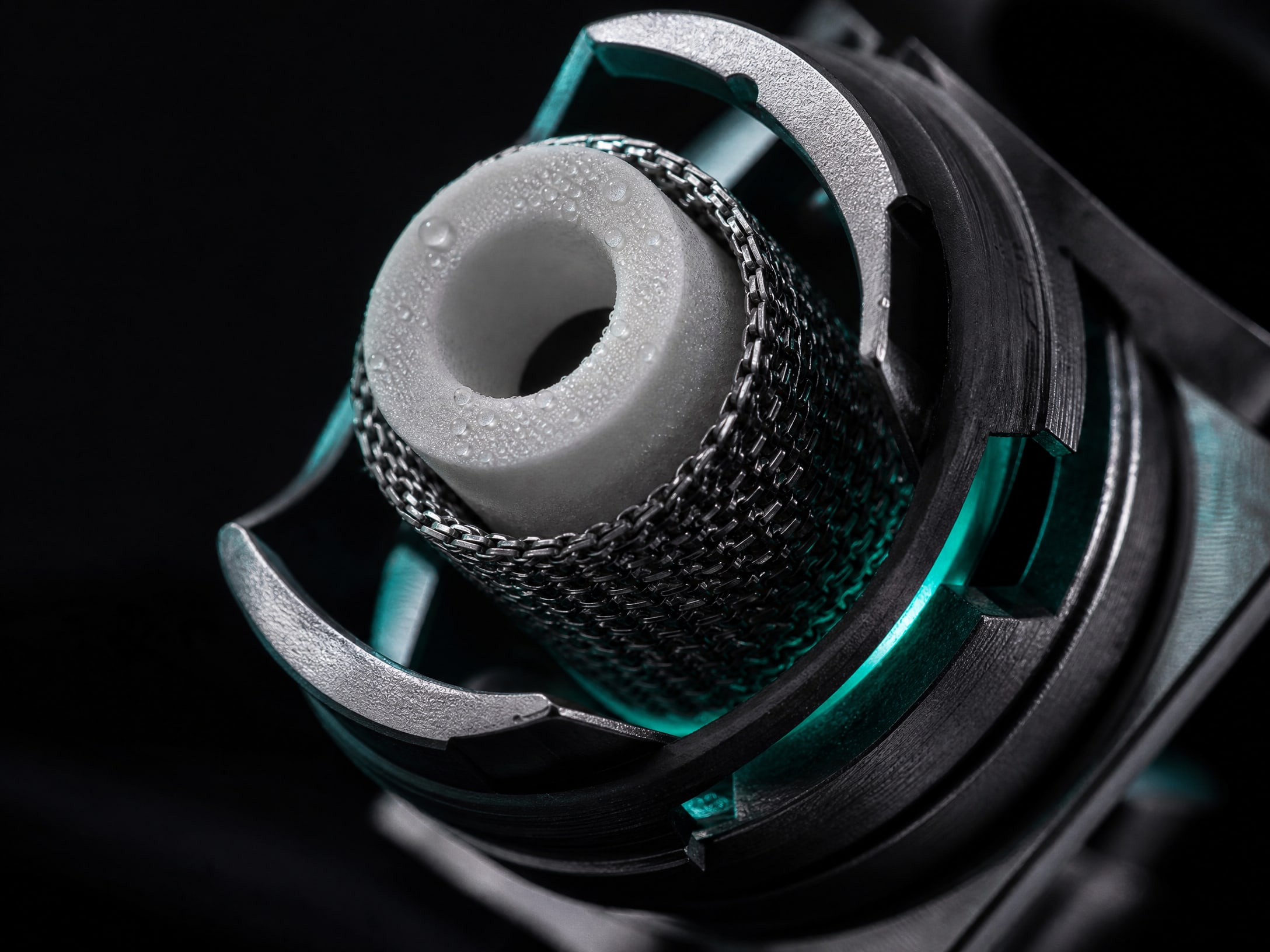
Select coil resistance, mesh or wire format, wick material, and power range for the intended draw style. A tight mouth-to-lung draw and a more open draw may need different airflow and coil settings. Keep the approved coil version on the purchase specification and sample label.
Liquid range
Provide the intended liquid type, nicotine strength where applicable, viscosity range, flavor profile, and expected storage conditions to the manufacturer. Thicker liquids may wick differently from thinner liquids. Test for dry hits, flooding, spitback, flavor consistency, and liquid use across the target range rather than judging only one formula.
Test Daily Use and Leakage Control
Evaluate the pod system through repeated use: carry it, charge it, refill it, and replace the pod as users will in the destination market.
Airflow and draw consistency
Compare the actual draw resistance at the desired airflow setting. Check whether adjustment is clear, stays in position, and gives repeatable results between units. If the platform uses automatic activation, test response during short and long draws and confirm it does not activate unexpectedly in normal handling.
Charging and battery routine
Confirm battery capacity, charging port type, cable inclusion, indicator behavior, charging time, and use-while-charging behavior for the exact model. Inspect port alignment and plug insertion. Request the applicable battery and transport information for the product and destination before shipment planning.
Leakage and condensation tests
Run filled samples through upright and side storage, travel vibration, temperature changes, multiple pod removals, and normal refill cycles where relevant. Inspect the mouthpiece, fill plug, base, contacts, and device cavity. Separate minor condensation from liquid escaping the pod, and agree on the test method and acceptance standard in writing.
Plan Supply, Packaging, and Approval
Align replacement pods, pack components, and approved documents with the production order before launch.
Replacement-pod continuity
Estimate initial device sales, replacement-pod demand, lead time, and safety stock separately. Confirm minimum order quantities, pod pack counts, coil variants, and whether replacement pods can be ordered independently. Ask how component or tooling revisions will be identified and communicated.
Packaging control
Approve the retail box, inner pack, labels, instructions, barcode placement, and master carton details as a single pack-out set. Check that the device model, pod type, liquid status, quantity, language, and destination-specific marks are accurate for the exact product and order. Use approved artwork files and a physical packaging sample where possible.
Sample and production approval
Use a staged process: evaluate engineering samples for function, confirm a finished sample for appearance and packaging, then approve a pre-production sample before mass production. Keep a signed specification covering materials, colors, pod and coil codes, liquid if supplied, inspection points, accessories, and agreed defect criteria. Request only the product documents relevant to the exact configuration and destination.